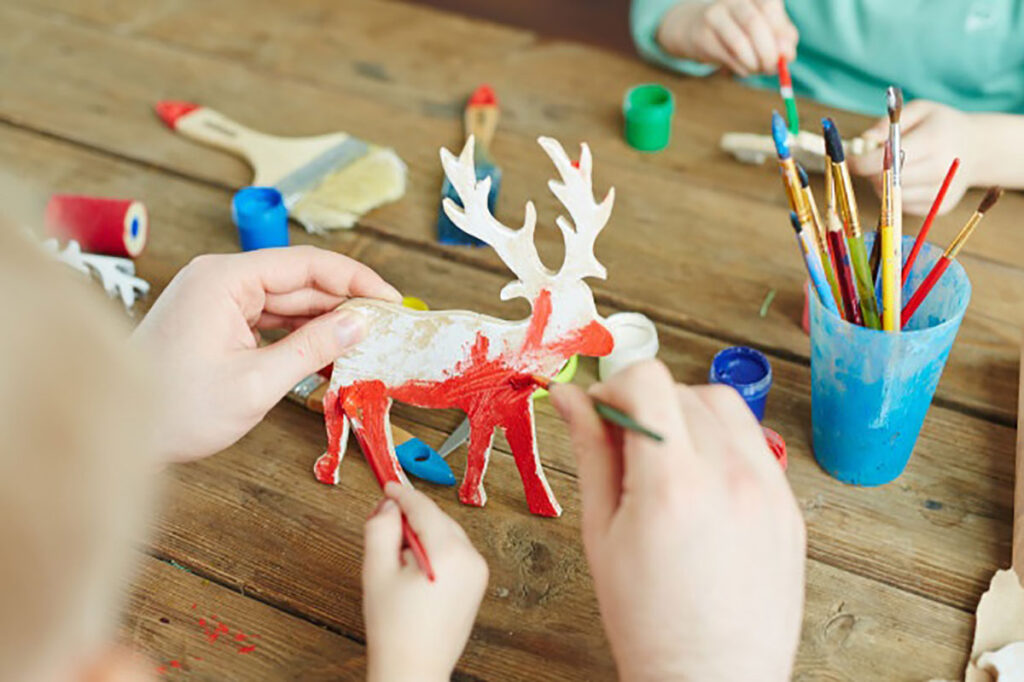

Fine motor skills are an important part of early childhood development. These skills involve the small muscles in the hands, fingers, and wrists that children use for tasks such as holding a pencil, buttoning clothing, using scissors, feeding themselves, and building with blocks.
At Micky Mouse Schools, we encourage children to strengthen these skills daily through fun, engaging, and age-appropriate activities. The good news is that parents can also support fine motor development at home using simple activities that fit naturally into everyday routines.
Why Fine Motor Skills Matter
Fine motor development helps children gain independence and confidence as they grow. Strong fine motor skills support important milestones such as:
- Learning to write and draw
- Using utensils during meals
- Dressing independently
- Improving hand-eye coordination
- Developing concentration and control
- Preparing for school readiness
Children develop these skills gradually through repetition, play, and hands-on exploration.
Simple Fine Motor Activities You Can Try at Home
1. Drawing and Colouring
Providing crayons, pencils, markers, and paper encourages children to strengthen their finger muscles and improve pencil grip. Allow children to draw freely, trace shapes, or colour pictures.
Tip: Large crayons and thicker pencils are easier for younger children to hold.
2. Playdough and Clay Activities
Rolling, squeezing, flattening, and shaping playdough helps strengthen hand muscles while encouraging creativity.
Children can:
- Roll balls and snakes
- Cut shapes using safe plastic tools
- Press objects into dough
- Build letters and numbers
3. Building Blocks and Stacking Toys
Stacking blocks and connecting building pieces improve coordination and finger control. These activities also support problem-solving and creativity.
Encourage your child to:
- Build towers
- Sort colours and shapes
- Create simple structures
4. Cutting and Pasting
Using child-safe scissors helps children improve hand strength and control. Start with simple straight-line cutting before moving to shapes and patterns.
You can also encourage:
- Gluing pictures onto paper
- Creating simple crafts
- Tearing paper for collages
5. Threading and Beading
Threading beads, pasta, or large buttons onto string improves finger coordination and concentration.
For younger children, use larger objects and thicker string for easier handling.
6. Everyday Household Tasks
Simple daily activities can also strengthen fine motor skills, including:
- Buttoning clothes
- Opening containers
- Using pegs
- Helping in the kitchen
- Watering plants with small containers
- Picking up small objects safely
Learning Through Play
Children learn best through play and exploration. Activities should feel enjoyable rather than stressful or overly structured. Encourage effort, celebrate progress, and allow children to practice skills at their own pace.
At Micky Mouse Schools, our play-based learning approach helps children build strong developmental foundations in a safe, nurturing, and engaging environment.
Supporting Your Child’s Development
Every child develops differently, and consistent practice helps build confidence over time. Small daily activities can make a big difference in preparing children for future learning and independence.
If you would like to learn more about our programmes and how we support early childhood development, we invite you to contact Micky Mouse Schools or schedule a school tour with our team.